
5 Types of Grout and How to Choose What’s Right for Your Home or Business

Choosing the right grout for your flooring can feel surprisingly complicated. You’re not just picking a color that matches your tile; you’re making a long-term decision that impacts durability, appearance, and future maintenance.
Use this experience-backed guide from the Brooksville-based Mrs. Grout Team to address concerns about cracking in high-traffic areas, kitchen stains, or mold on shower walls. Here, we go beyond a simple list of grout types and provide practical insights that connect each option to your specific needs, so you can make your choice with confidence.
By the end, you’ll understand how to select the perfect grout for your home or business that will look beautiful and perform well for years to come, even in Florida’s heat and humidity.
What Is Grout and Why Choosing the Right Type Matters
At its core, grout is the material that fills the gaps between tiles, but its job goes beyond aesthetics. Grout locks tiles together, providing stability and protecting the underlying surface from moisture and debris that could cause damage over time.
It’s a key component in the longevity of any tiling project, especially in the humid and rainy conditions of Central Florida.
There is no single “best” type of grout, but there is one that is right for your specific space and situation.
The ideal choice depends on several factors:
The room’s exposure to moisture
The type of tile surface (ex: glass or polished)
The amount of traffic that the area gets
How often the area is cleaned
The cleaning materials used in the area
Your budget considerations
Weigh these factors, then take a look at five common types of grout to determine which one best matches your space and lifestyle requirements.
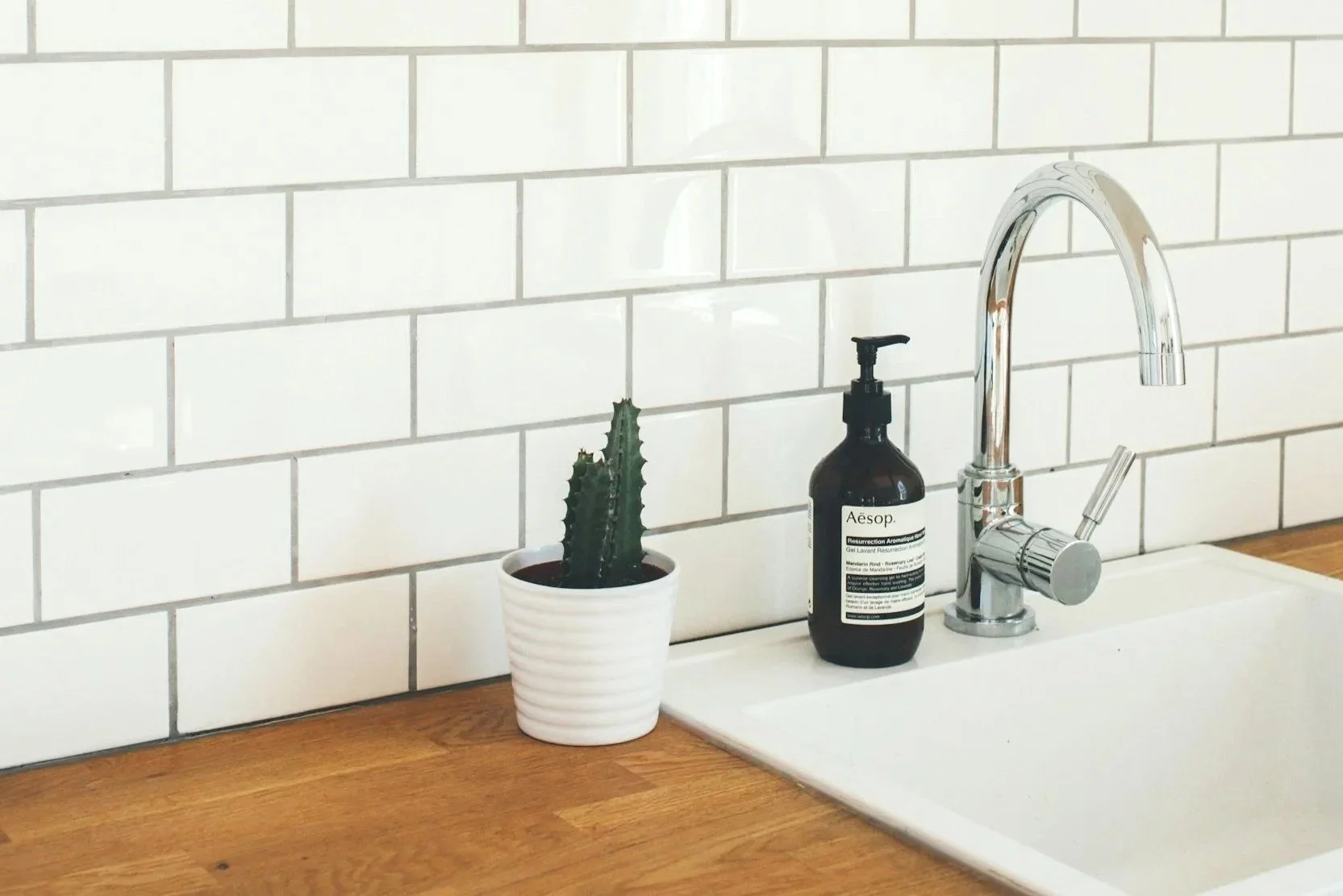
The 5 Most Common Types of Grout Used Today, and How to Make the Right Choice
Many grout options exist, but the following five are common in residential and commercial settings. Compare their characteristics in terms of complementing your tiles and withstanding environmental demands.
#1 Sanded Grout
Sanded grout is a traditional cement-based mixture fortified with sand. It provides the structural bulk needed to prevent shrinking and cracking in grout lines wider than 1/8 inch.
Compared to other types of grout, this budget-friendly option offers excellent durability. Its gritty composition makes it ideal for high-traffic areas like outdoor patios, lanais, or pool decks. That same grit, though, means it can scratch delicate finishes like polished marble or glass.
Sanded grout is porous, so it requires regular sealing to maintain color consistency and prevent permanent staining. Without this maintenance, it can become a magnet for grime and discoloration, especially in moisture-prone areas like bathrooms.
Still, for standard flooring projects where budget and longevity are priorities, sanded grout remains a reliable, hardworking choice that effectively withstands daily wear and tear.
#2 Unsanded Grout
Unsanded grout is a smoother, cement-based mixture formulated without the abrasive sand particles found in its counterpart. This composition makes it a go-to for narrow joints that are under 1/8 inch wide, where sanded grout wouldn’t pack properly.
It is specifically designed for delicate surfaces like polished marble, ceramic tile, or glass, which gritty alternatives could easily scratch.
It’s also excellent for vertical applications, like backsplashes or shower walls, because of its “sticky” consistency. Nevertheless, unsanded grout lacks the compressive strength needed for wide joints or high-traffic floor areas, where it’s prone to cracking.
Like other cement grouts, it is porous and requires regular sealing to resist moisture and stains. This makes it a maintenance-heavy choice for bustling commercial areas.
Priced similarly to sanded grout, it offers a refined, smooth finish that’s perfect for residential detail work, but less suited for rugged durability.
#3 Epoxy Grout
Epoxy grout is a step up from cement-based mixtures, as it utilizes epoxy resins and a hardener to create a seal that’s hard to penetrate. This unique composition makes it incredibly durable, waterproof, and resistant to chemicals, heavy foot traffic, and cracking.
Unlike its porous counterparts, epoxy is stain-proof and doesn’t need sealing. As a result, it offers superior color consistency and easier maintenance that lasts for decades.
Keep in mind that this high-performing type of grout comes with a steeper price tag and a more extensive installation process that requires professional expertise because of its fast setting time.
Despite this, epoxy grout remains the gold standard for demanding environments. It’s the ideal choice in commercial spaces, hospitals, and residential areas (such as kitchen backsplashes and showers) where hygiene, longevity, and moisture resistance matter most.
#4 Furan Resin Grout
Furan resin grout is a highly specialized, industrial-grade material designed for the most extreme environments. Unlike cement or standard epoxy options, it is formulated without water and relies on fortified polymers to resist harsh chemicals, strong acids, and extremely high temperatures.
This intense durability comes with trade-offs that make it uncommon for residential projects, such as the following:
Furan resin grout is available in black or very dark colors, making it less aesthetically flexible compared to other types of grout.
The installation process is more complex and expensive.
Tiles must be waxed before the furan resin grout is installed to keep it from permanently staining the surface.
As a result, this niche product is mostly exclusive to industrial settings, such as laboratories, chemical plants, and meatpacking facilities, where the flooring must withstand punishing conditions that could quickly destroy other materials.
#5 Single-Component Grout
Single-component grout is a modern alternative that bridges the gap between traditional cement and high-performance epoxy. Its defining characteristic is its pre-mixed, ready-to-use formula, which eliminates the need to measure and mix powders and water.
This makes it more user-friendly and keeps its color and texture consistent straight out of the bucket. While more expensive than basic cement options, its convenience saves significant time and effort, especially with DIY projects.
Engineered for flexibility and durability, single-component grout offers good stain and crack resistance without the need for sealing. Its performance best aligns with residential and light commercial use. Specifically, it excels in areas like showers, backsplashes, and floors with moderate traffic.
While it provides a clean, uniform finish, single-component grout may have longer curing times than other types of grout. If you’re prioritizing ease of use and low maintenance, this single-component grout presents a compelling solution that delivers professional-looking results with minimal fuss.
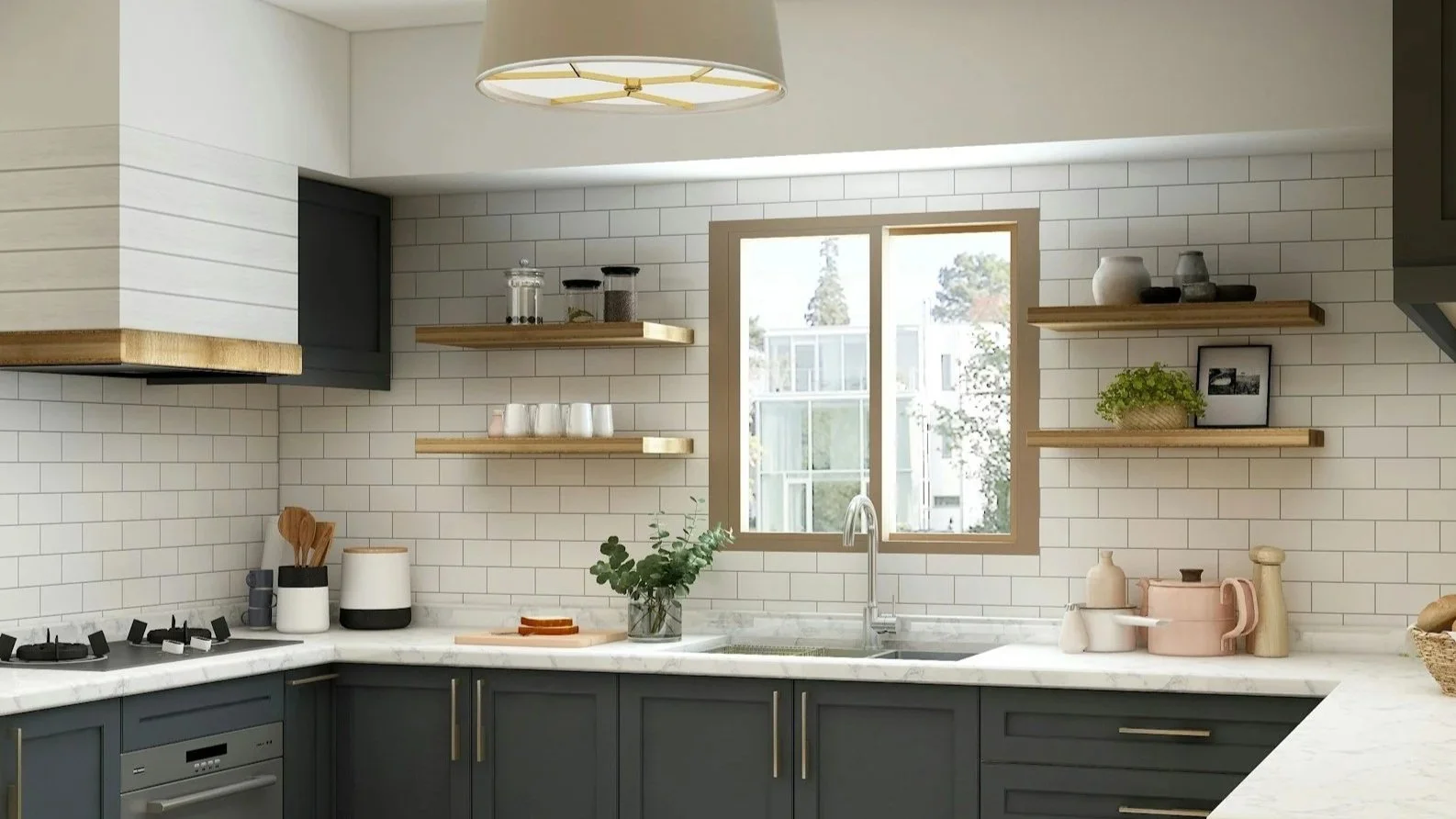
Other Grout Options Worth Knowing About
Beyond the standard categories, you may encounter specialized types of grout designed to solve specific tiling challenges. These options often prioritize convenience and long-term performance over low upfront cost.
Pre-Mixed Polymer Resin Grouts: These ready-to-use formulas, usually urethane or acrylic-based, offer excellent color consistency and flexibility without the hassle of mixing powders.
Polyurethane and Acrylic Grouts: Known for their stain resistance and flexibility, these are great for areas with minor movement but may not withstand heavy water exposure from steam showers.
Epoxy Emulsion Grout: This hybrid type of grout blends epoxy durability with cement-like cleanability.
Pre-Colored and No-Sealing Grouts: Many modern premium grouts are engineered with built-in sealers and mold inhibitors, helping them resist mildew and staining and saving you hours of maintenance over time.
Residential vs. Commercial Grout Considerations
While aesthetics might take precedence in homes, commercial settings specifically demand a type of grout that looks professional and resists staining and cracking. When selecting grout, business owners should prioritize durability and long-term performance to withstand high foot traffic.
Give special consideration to the rigorous cleaning routines of professional areas compared to households. Establishments must comply with industry safety standards, so business owners must choose grout that can enhance hygiene.
Epoxy grout and furan resin grout are ideal choices for commercial kitchens and restrooms; their resistance to moisture, stains, and bacteria ensures a clean environment for customers and employees.
How to Protect and Maintain Your Grout
Choosing the right grout is only the first step. Its long-term performance depends on proper sealing, protection, and maintenance, which is especially important in Central Florida, where rain and sun can quickly degrade exterior grout.
The right upfront choice, professionally installed, makes this upkeep simpler and more cost-effective.
Rely on a local professional team, such as Mrs. Grout, to choose the ideal grout for Central Florida’s climate and implement effective care strategies for lasting results.
In a state that experiences abundant sunshine, heat, rainstorms, and hurricanes, you’ll benefit from services like a floor maintenance package, in which tile and grout restoration professionals provide deep cleanings, touch-ups, and dry and buff the floors.
When professionals seal your chosen grout, it creates a barrier against moisture, dirt, and UV rays. This enhances its longevity, function, and appearance by ensuring the grout can withstand environmental elements in high-exposure areas.
Get Support from a Tile and Grout Cleaning Professional
Home improvement projects, especially those involving grout, can be overwhelming at times, but you don’t have to handle them alone.
With years of specialized experience in cleaning, installing, and maintaining different types of grout, the Mrs. Grout team can guide you to the perfect solution for your Central Florida home.
If you’re in need of professional guidance or support for your next project, reach out through our online contact form. We are here to help you achieve fresh, beautiful results that help you fall in love with your home all over again.